One comment under the recent imba yenhaka discussion captured the danger in a few words:
“Tenga hako imwe property or stand. Zvenhaka zvine miromo—especially pambotanga makakatanwa kudai.”
In other words: buy your own property or stand. Inherited property has too many voices, especially once disagreements have already started.
And that raises a bigger question.
Can you ever truly buy a family home and make it yours?
For years, the house in Masvingo belonged to all the siblings.
It was musha wedu.
Everyone could visit. Everyone could stay there. Everyone had an emotional connection to the place their parents had left behind.
But there was one problem.
The ownership was shared. The responsibility wasn’t.
When rates needed paying, one sibling contributed.
When repairs were needed, she sent money.
When water became a problem, she eventually paid for a borehole so the property could continue functioning.
Over time, an asset belonging to several people was increasingly being maintained by one.
Now some of the siblings want the house sold.
And suddenly everyone is equal again.
Perhaps legally that is exactly how it should be. If their parents left the property to all the children equally, each sibling may be entitled to an equal share.
But there is another question:
Is an equal division always a fair division?
If one sibling spent years paying rates, repairs and eventually funding a borehole, should those expenses first be reimbursed before the remaining proceeds are divided?
Or were those payments simply family assistance, voluntarily given because nobody had agreed that she would ever be repaid?
This is where a familiar sentence often enters diaspora family conversations:
“But you’re the one abroad.”
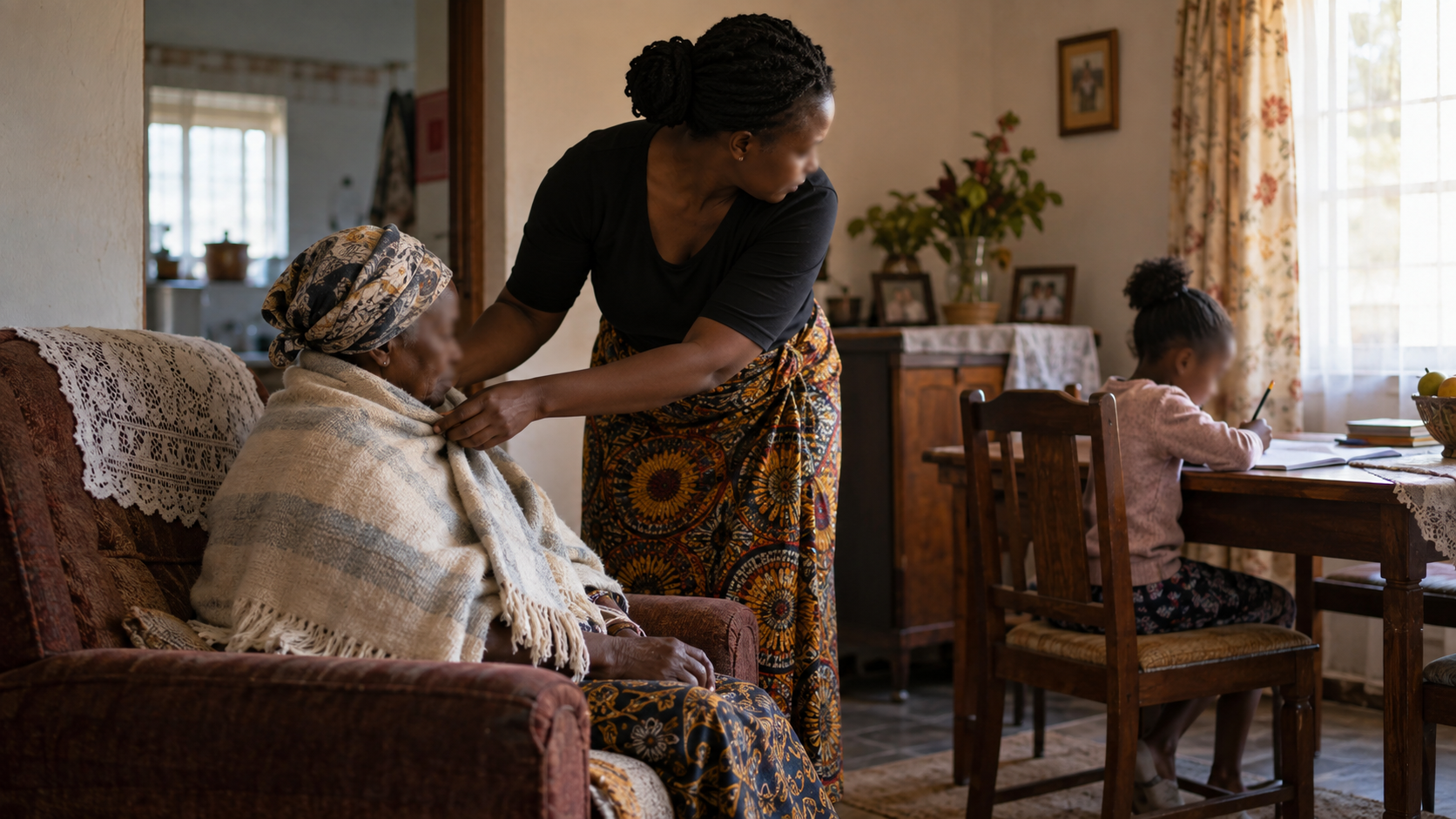
Living in the UK, Australia, South Africa, Canada or elsewhere can quietly turn one sibling into the family’s emergency fund.
The rates are overdue?
Ask the one abroad.
The roof needs fixing?
Ask the one abroad.
There is no water?
She is the one abroad.
The reasoning is usually understandable: she earns foreign currency and may genuinely be in a stronger financial position than siblings back home.
But something strange can happen when the asset is eventually sold.
Nobody says:
“You were the one abroad who carried this house for years, so let’s first recognise what you put into it.”
Instead, everyone remembers that they are equal owners.
The house may have four owners, but somehow the bills had only one.
And that is why some people are advising her not to buy the family home at all.
Zvenhaka zvine miromo.
Even if she pays every sibling their share and the title deed eventually carries only her name, the family’s emotional ownership may not disappear.
A sibling might arrive in Masvingo one Christmas and ask:
“Why must I ask permission to stay kumba kwedu?”
A relative might need somewhere to live and remind her that this was their parents’ house.
She rents out the cottage — someone objects.
She renovates the house — someone says she’s changing what their parents built.
She refuses someone accommodation — she’s selfish.
And if she eventually sells the property?
Someone may still say:
“Watengesa nhaka yedu.”
Legally, the house could belong entirely to her.
Emotionally, it could remain musha wedu forever.
That is the strongest argument for buying somewhere else.
A separate stand comes without inherited expectations.
She decides what to build, who stays there, whether to rent it out and eventually whether to sell it.
Nobody can invoke childhood memories every time she makes a decision about her own property.
But walking away isn’t necessarily easy either.
Selling the family home could feel like watching part of her parents’ legacy disappear.
And after paying towards its upkeep for years — including something as permanent as a borehole — she may understandably struggle with seeing the asset sold and her contribution treated no differently from everyone else’s.
So she faces two very different costs.
Buying the family home may cost her money and future family peace.
Letting it go may cost her an emotional connection to what her parents left behind.
Perhaps there is a wider lesson here for diaspora families.
A family house cannot survive on memories alone.
If ownership is shared, responsibility needs to be discussed too.
Who pays the rates?
Who pays for repairs?
If one sibling spends thousands improving the property, is that money a gift or an investment to be recovered later?
Who is allowed to live there?
What happens when one sibling wants their money out?
And if the property is eventually sold, are documented expenses reimbursed before everyone divides what remains?
These conversations are uncomfortable when everyone is getting along.
They become far more difficult after money has already been spent and relationships have deteriorated.
Because sacrifice does not automatically create ownership.
And ownership does not necessarily recognise sacrifice.
So, MaZimbo:
If you were the sibling abroad, would you buy everyone out and keep the family home?
Or would you listen to the warning — zvenhaka zvine miromo — take your share and build somewhere entirely yours?
And if one sibling paid years of rates, repairs and even funded a borehole, should that money be reimbursed before everyone takes an equal share?
Most importantly:
After you’ve paid your siblings and transferred the title into your name, does musha wedu ever really become musha wangu?